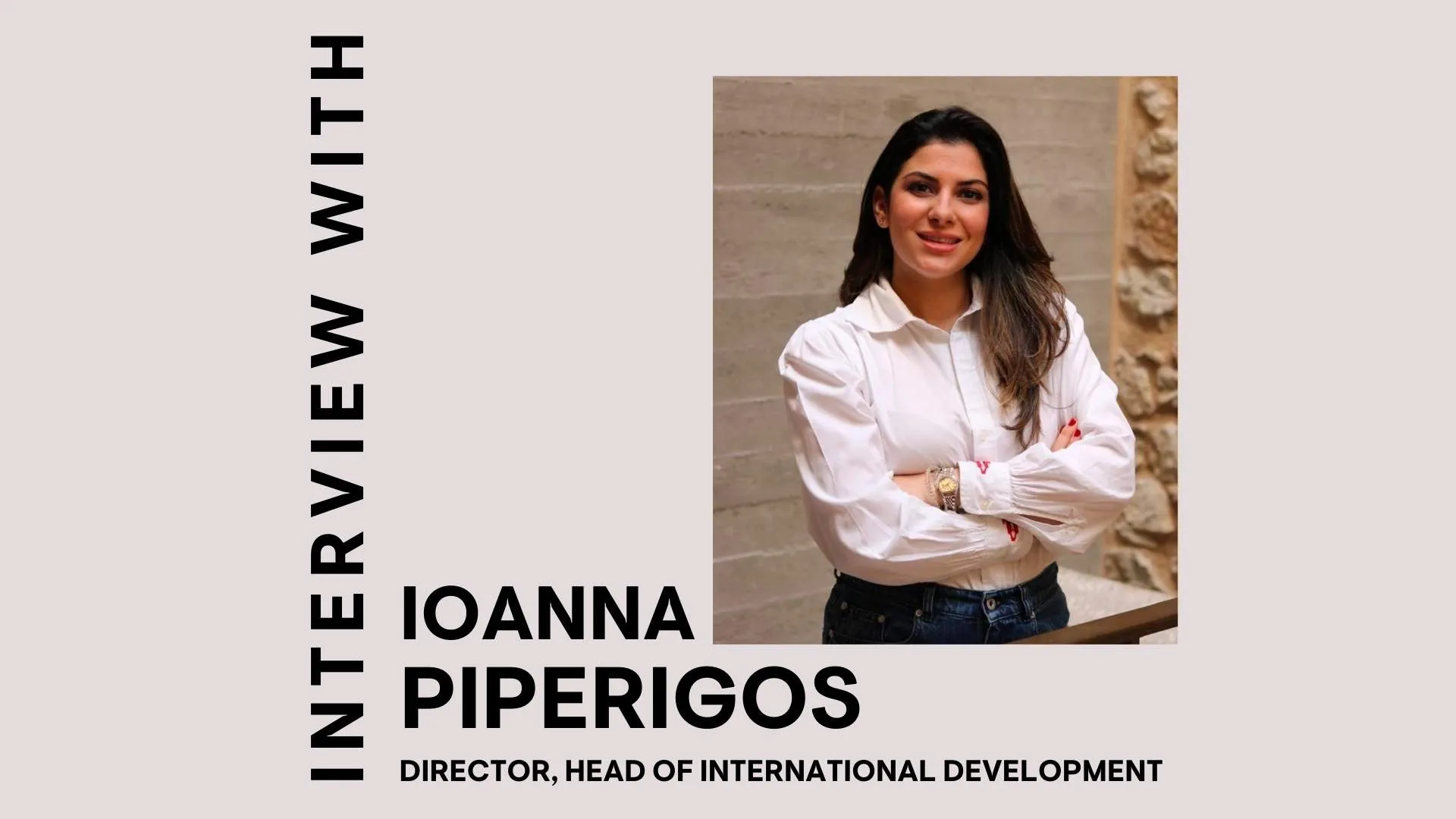
Can you introduce us to the Alekos Fassianos Museum and its mission? What inspired its creation, and how does it honor the legacy of A. Fassianos?
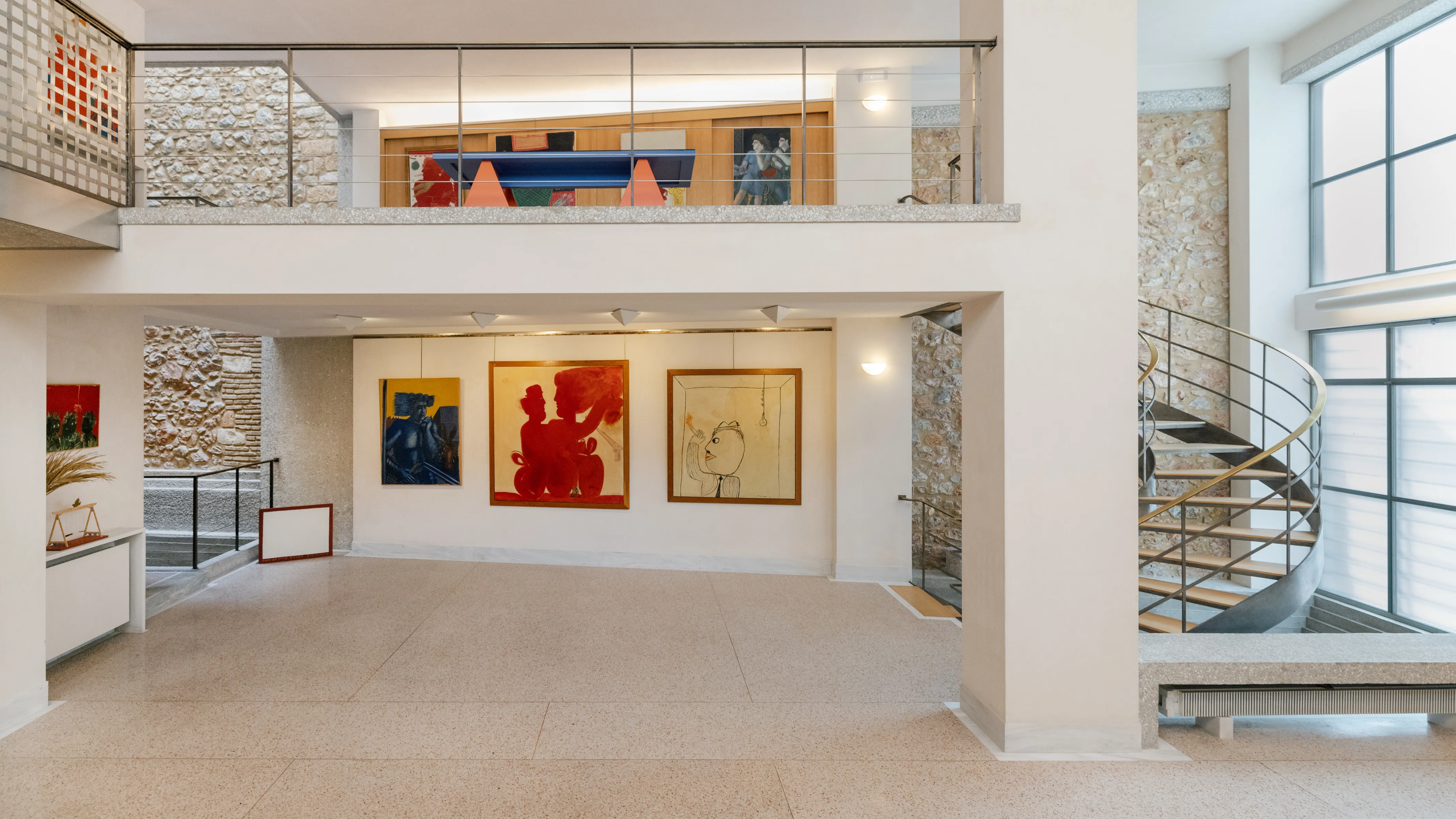
The Alekos Fassianos Museum opened its doors to the public in April 2023. Its mission is to present the polyhedric personality of artist Alekos Fassianos and his multifaceted work. It is located in Agios Pavlos, Athens, where his childhood home once stood. In the early 90s, he assigned architect Kyriakos Krokos to remodel it into a modernist building with the vision to open a Museum on the ground floor.
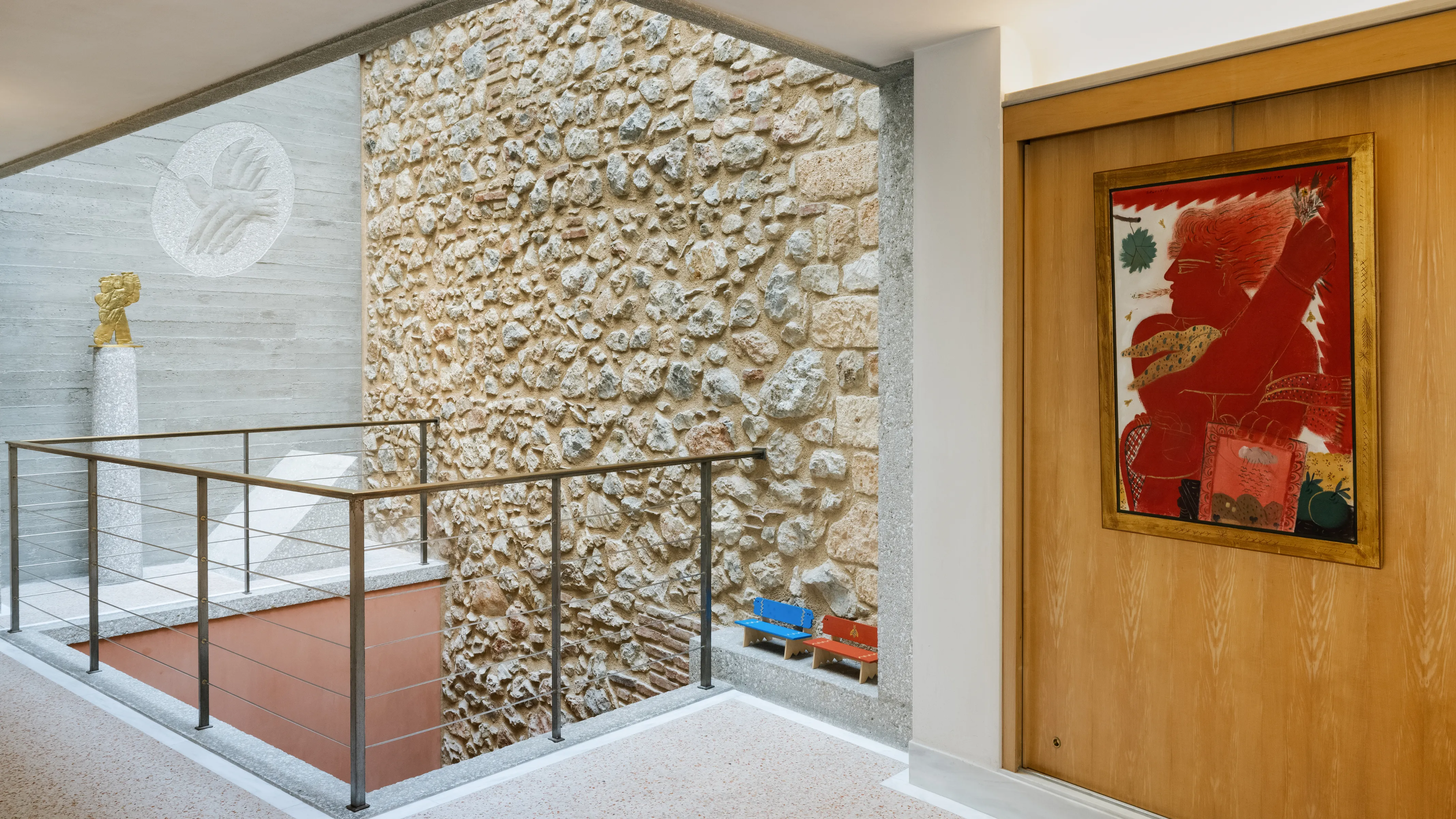
The building is a true collaboration between artist and architect and is significant to the contemporary artistic and architectural map of Athens, as it is one of the few museums in the world where such complicity underpins a dialogue between the works and the space that houses them.
Our main goal is to introduce and reintroduce the artist to a wider, international audience, approaching his work in a way that opens new conversations. Together with Viktoria Fassianos, we worked for over two years gathering archival material, cataloguing his work—from painting, prints, design, ceramics, scenography, limited-edition books, and monographs. It has been fulfilling both academically and culturally.
The museum is located in Athens with an atelier on the island of Kea. Why were these two locations chosen?
The museum sits in the old Athenian neighborhood of Agios Pavlos. On Kea, visitors find the artist’s atelier and summer residence. Fassianos first visited Kea in 1967 and quickly fell in love with its tranquility, archaeology, beaches, and proximity to Athens.
Creatively, the island inspired him deeply. Its aromas, flora, and fauna appear in many of his works, where he evokes all five senses.
What can visitors expect when they step into the Alekos Fassianos Museum in Athens?
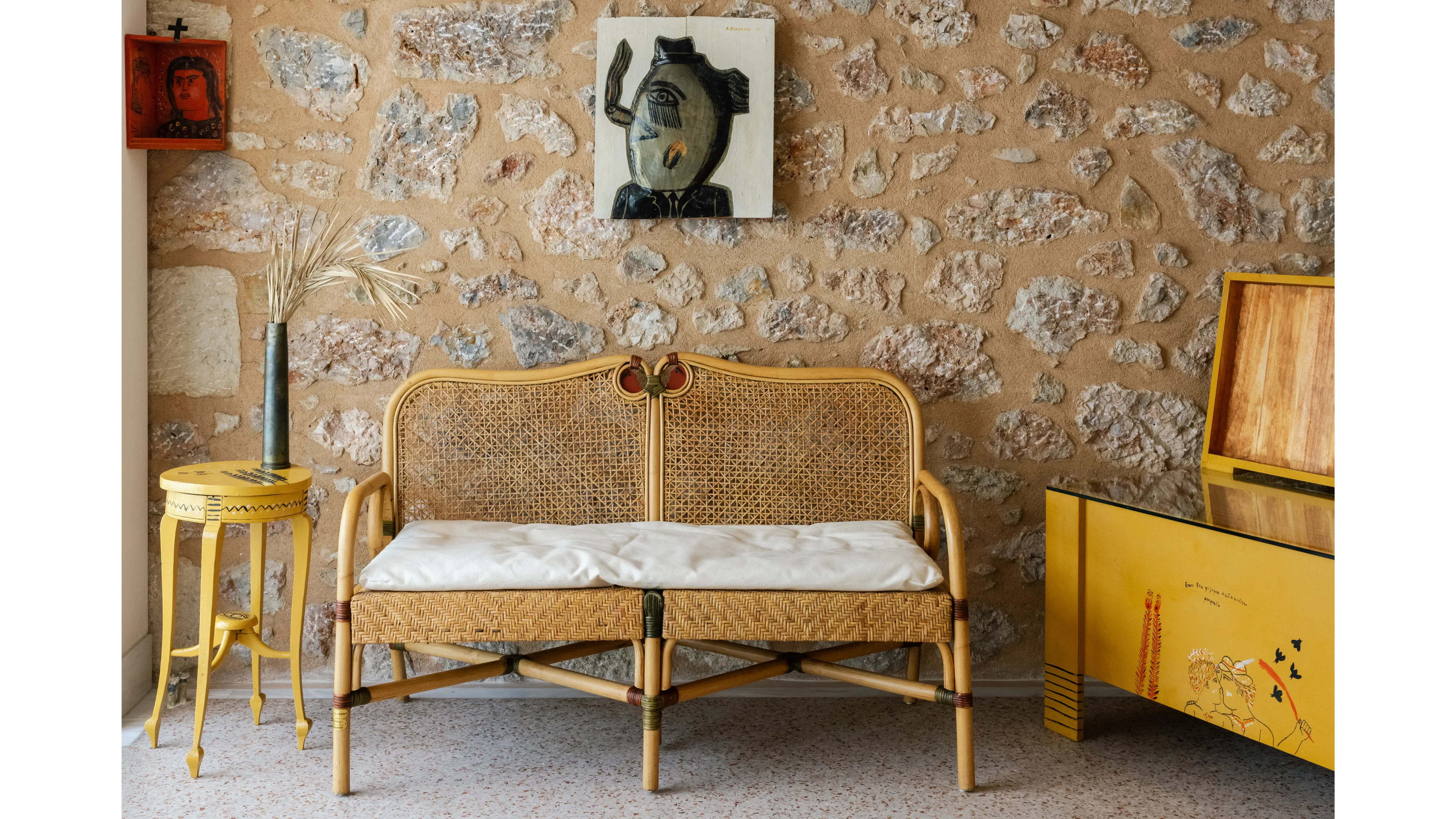
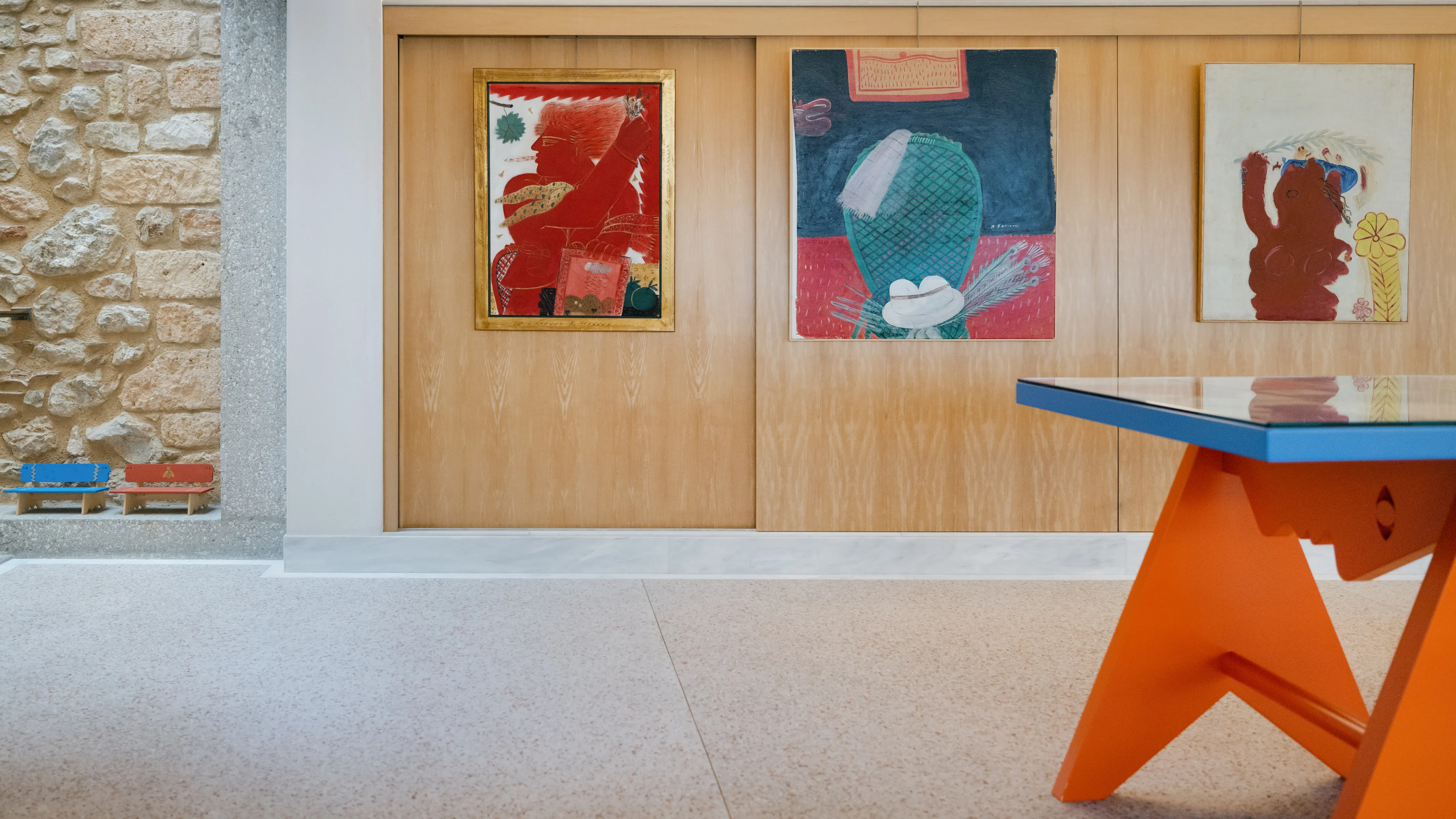
The museum is a “total artwork”—a true collaboration between artist and architect. Fassianos curated every detail: door handles, frescoes, hand-painted furniture. The exhibition introduces visitors to all the art forms he practiced. Visitors see early works from the 1950s to 2010, including cubism experiments, abstract expressionism, figurative work, design, archival letters, and never-before-seen materials.
How does the museum aim to connect with international visitors?
Fassianos was an international artist with exhibitions in Paris, Milan, Zurich, New York, and Tokyo. Since opening, our visitors are equally split between locals and international travelers. There is growing global interest in artists who lived creatively, integrating design, literature, architecture, and craftsmanship into daily life.
We offer private guided tours in French and English, workshops, and tailor-made experiences—including yoga sessions within the museum space.
“Fassianos was the painter of joy, activating all senses in his work. Symbols like bees, wheat, dragons, and his bright reds and blues evoke emotions, memories, and moments.”
Why is Alekos Fassianos considered a pivotal figure in modern Greek art?
His ability to engage with viewers distinguishes him. His symbols—bees, wheat, dragons, cats—and his iconic reds and blues evoke emotion and memory. His metaphors are deeply rooted in Greek identity but resonate globally.
What can visitors discover at his atelier in Kea?
The Kea atelier reveals Fassianos' ascetic way of life. The home remains intact with his handcrafted toys, ceramics, clothes, and personal items. This was a summer retreat where he welcomed artists and writers including Louis Aragon, Niki de Saint Phalle, Yannis Tsarouchis, and Jean Tinguely.
What is your favorite piece or exhibition in the museum?
I have a particular admiration for two works in dialogue: a 1963 abstract figure and “Phryne” from 1986. Seen together, they reveal his pursuit of human figuration—one through experimental abstraction, the other through perfect compositional balance.
How does visiting the museum enhance a traveler’s understanding of Greek culture?
Fassianos’ work reflects beauty, history, daily life, and spirituality—qualities travelers seek when visiting Greece.
How do you hope visitors feel after experiencing the museum?
The museum is intimate—it feels like a home. Visitors experience the private world of the artist: his childhood neighborhood, his atelier, his letters, toys, furniture, and lifelong creative environment. We hope they leave inspired, moved, and wanting to return.
How does the museum collaborate with other institutions?
We collaborate with galleries, museums, and international fairs. We currently have an institutional exhibition in Istanbul at the Zeyrek Cinili Hamam, and in June 2025 we will participate as honorary guests at the Salon du Livre Rare et des Arts graphiques in Paris.
What upcoming projects or initiatives are you excited about?
In May, the museum will inaugurate its Contemporary Intervention Program, inviting Greek contemporary artists to create works in dialogue with Fassianos’ building and artistic universe. The first exhibition will feature artist Panos Profitis.
“The museum feels like a home. Visitors experience the private world of the artist—his childhood neighborhood, atelier, works, furniture, toys, and letters exchanged with his entourage. I hope they leave inspired and moved.”